
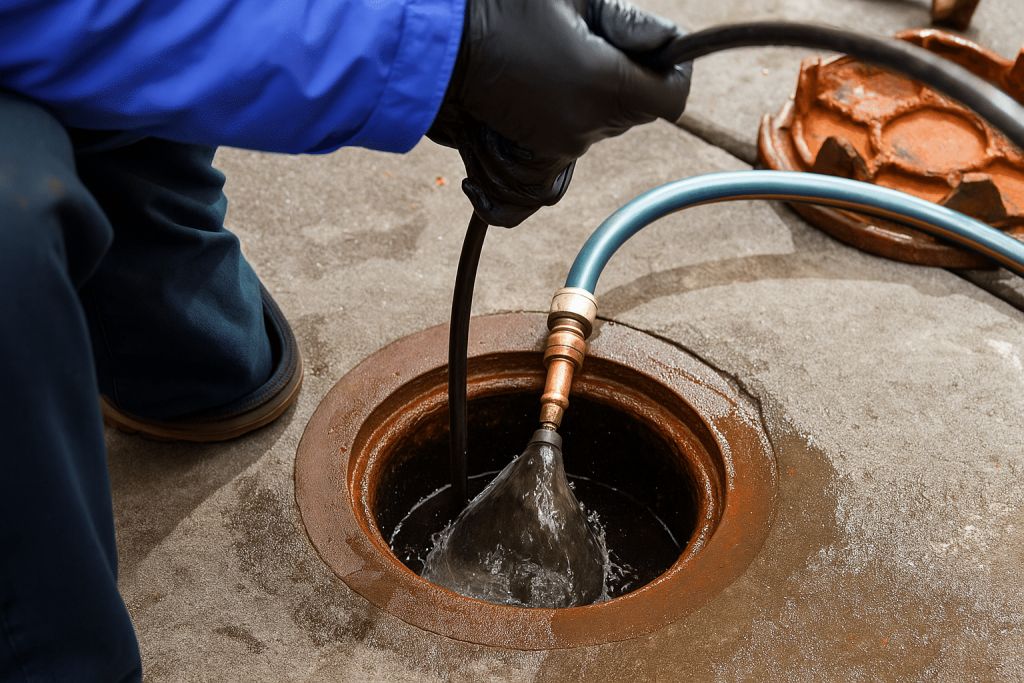
The moment you realize your home is facing a sewer line emergency is usually marked by a sinking feeling in the pit of your stomach. Whether it is the unmistakable sound of gurgling coming from a basement floor drain, multiple fixtures backing up simultaneously, or the sudden presence of foul-smelling water in your utility room, the situation demands immediate action. While your first instinct will be to call a professional plumber, there is often a significant gap of time between that initial phone call and the arrival of the service truck. What you do during those critical minutes can mean the difference between a manageable repair and a catastrophic restoration project involving thousands of dollars in property damage. By staying calm and following a structured protocol, you can mitigate the impact of the backup and prepare your home for a swift professional intervention.
Immediate Cessation of Water Usage
The most important rule in a sewer emergency is to stop adding water to the system immediately. It is a common mistake for homeowners to continue flushing toilets or running the kitchen sink to see if the clog will clear itself. However, because the main Torrance sewer line repair is the single exit point for all wastewater in your home, any water you introduce into the pipes will have nowhere to go but back up through the lowest drains. This includes the automatic cycles of appliances like dishwashers and washing machines.
If you are in the middle of a laundry cycle when you notice a backup, you should immediately pause the machine. Advise everyone in the household that the bathrooms and sinks are strictly off-limits until further notice. By stopping the flow of water at the source, you prevent the volume of the backup from increasing, which helps keep the wastewater contained to the pipes rather than allowing it to overflow onto your floors. This simple step is the most effective way to limit the scope of the emergency.
Locating and Closing the Main Water Shut-Off Valve
While the problem is in the drainage system, it is often a wise precaution to shut off the main water supply to the house. This prevents any accidental water usage and protects against issues like a running toilet or a leaking faucet that could slowly contribute to the backup while you are waiting for help. Most main shut-off valves are located near the water meter, often in the basement, a crawl space, or an outdoor utility box near the street.
Turning the valve clockwise will cut off the flow of pressurized water into your home. This gives you peace of mind that no new water can enter the system, even if someone forgets the “no water” rule. Once the valve is closed, open a faucet at the lowest point in the house to drain any remaining pressure from the lines, ensuring that the system is as dormant as possible before the plumber begins their diagnostic work.
Clearing the Area Around the Cleanout Pipe
Plumbers need clear, unobstructed access to your sewer line to perform a camera inspection or to use a high-pressure jetting machine. Most homes have a sewer cleanout, which is a pipe with a capped top that provides direct access to the main sewer line. This is typically located in the basement or outside the home near the foundation. If yours is buried under storage boxes, hidden behind landscaping, or obscured by debris, now is the time to clear the area.
Removing obstacles beforehand saves the plumber time and ensures they can get to work the moment they arrive. If the cleanout is located outside, try to clear away any overgrown brush or snow that might hinder access. If you are unsure where your cleanout is located, look for a white or black plastic pipe cap sticking out of the ground or a brass plug in your basement floor. Identifying this location early is one of the most helpful things you can do for a service technician.
Conclusion
An emergency sewer line failure is a high-stress event, but taking proactive steps before the plumber arrives can significantly reduce the damage and the eventual repair time. By stopping all water usage, clearing access points, and documenting the scene, you transform from a frustrated bystander into an active participant in the solution. Remember that the goal during this waiting period is containment and preparation. Once the professional arrives, they will have the tools and expertise to take over, but the work you do in the interim ensures that their efforts are as effective as possible. Staying organized and safety-conscious during these moments will help you navigate the crisis and get your home’s vital systems back in order.