
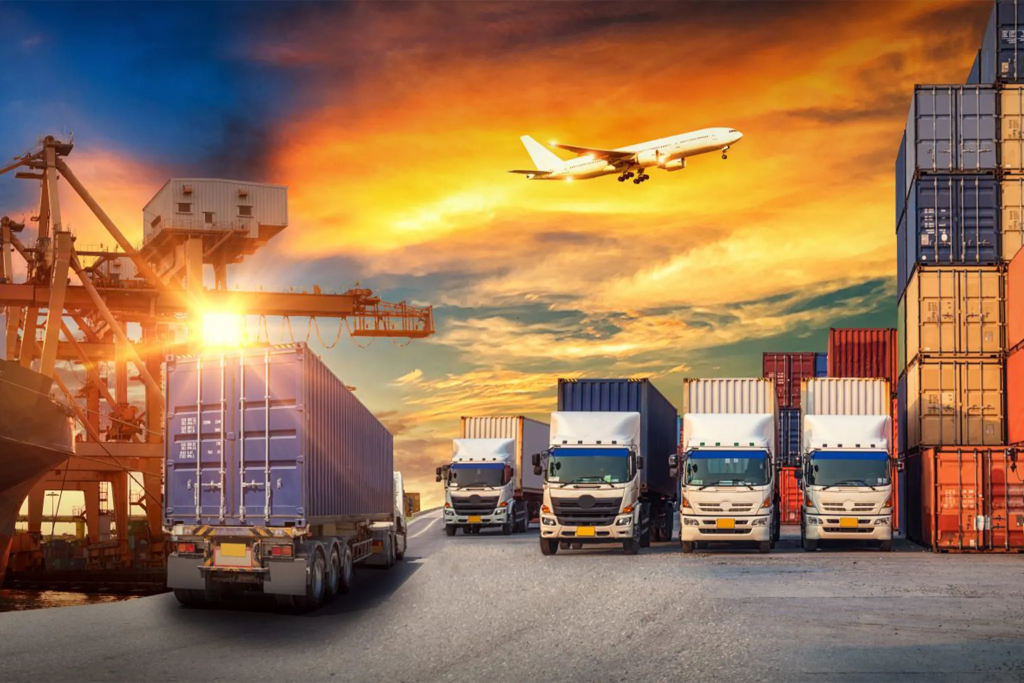
In today’s interconnected global economy, logistics and courier services play an essential role in supporting business operations, trade flows, and customer satisfaction. Companies across industries rely on efficient transportation, reliable distribution networks, and professional handling of goods to ensure smooth movement from origin to destination. As supply chains become more complex and cross-border transactions continue to grow, logistics providers must adapt to diverse shipping needs, regulatory environments, and operational challenges.
Within this context, logistics and courier service companies serve as critical enablers for domestic distribution, international freight, and e-commerce fulfillment. Their role extends beyond transportation alone, contributing to inventory management, supply chain coordination, and delivery reliability for businesses of various sizes.
Overview of RR Express
RR Express is a logistics and courier service company with more than 15 years of experience in domestic distribution, delivery, and freight solutions. Founded in 2013, the company has established operations that support customers across Singapore, Australia, the United Kingdom, and Southeast Asia. Through its regional presence and industry partnerships, RR Express provides logistics services designed to meet the needs of businesses operating in both local and international markets.
Over the years, RR Express has worked with established retailers and collaborated with major third-party logistics (3PL) providers, air cargo operators, and sea freight companies. These partnerships allow the company to participate in a broader logistics ecosystem, supporting shipments across different transportation modes and geographic regions.
Rather than focusing on a single industry segment, RR Express operates within a general logistics framework that serves multiple sectors, including retail, manufacturing, and e-commerce. This approach reflects the diverse requirements of modern supply chains, where flexibility and coordination are often as important as speed and coverage.
Role of Logistics Providers in Supply Chain Management
Logistics providers play a foundational role in supply chain management by connecting suppliers, manufacturers, distributors, and end customers. Their responsibilities often include transportation planning, route coordination, shipment handling, and delivery execution. In international shipping, this role becomes even more complex due to customs regulations, documentation requirements, and multimodal transport arrangements.
Companies like RR Express operate within this environment by supporting the movement of goods via air, sea, and land transportation. These modes are commonly used in combination to balance cost efficiency, delivery timelines, and operational requirements. By working with air cargo and sea freight partners, logistics providers can help businesses navigate international trade routes while maintaining continuity across borders.
Courier and Domestic Delivery Services
Courier and domestic delivery services remain a core component of logistics operations, particularly for businesses that rely on regular local distribution. These services are commonly used by retailers, wholesalers, and service providers that require timely delivery within a specific country or region.
In markets such as Singapore and Southeast Asia, domestic logistics must account for high delivery volumes, urban density, and customer expectations for reliable handling. Courier services typically support document delivery, parcel shipments, and time-sensitive items that require efficient coordination. Within this segment, logistics providers contribute by managing delivery routes, handling consignments, and ensuring consistent operational standards.
RR Express operates within this courier and domestic delivery landscape, supporting businesses that require structured logistics solutions for local distribution.
Freight, Trucking, and Transportation Networks
Freight and trucking services are essential for the movement of larger shipments and bulk cargo. These services are often integrated into broader logistics strategies, connecting warehouses, ports, airports, and distribution centers. Trucking remains a key mode of transportation for both domestic and cross-border shipments, particularly within regional trade corridors.
Logistics companies involved in freight services typically coordinate vehicle scheduling, cargo consolidation, and delivery planning. This coordination helps businesses manage inventory flow and reduce disruptions in their supply chains. In international contexts, trucking services often serve as the link between ports or airports and inland destinations.
Through its involvement in freight and transportation solutions, RR Express supports logistics operations that require scalable and adaptable shipment handling across different regions.
International Shipping and Cross-Border Logistics
International shipping introduces additional layers of complexity, including customs clearance, regulatory compliance, and coordination between multiple service providers. Businesses engaged in cross-border trade often depend on logistics partners to manage these processes efficiently and in accordance with local regulations.
Air freight is commonly used for time-sensitive or high-value shipments, while sea freight remains a practical option for bulk cargo and long-distance transport. Land transportation complements these modes by facilitating regional distribution and last-mile delivery. A well-structured logistics network typically integrates all three transportation methods to optimize overall supply chain performance.
RR Express operates within this international logistics environment by working with air cargo and sea freight partners, allowing it to support shipments that move across different countries and regions.
Logistics Support for E-Commerce and Retail
The growth of e-commerce has significantly influenced the logistics industry. Online retailers require reliable fulfillment, efficient delivery processes, and consistent shipment tracking to meet customer expectations. Logistics providers support these requirements by offering distribution, transportation, and delivery services that align with e-commerce business models.
In addition to order fulfillment, logistics services for e-commerce often involve returns handling, inventory transfers, and cross-border shipping for international customers. These activities require coordination between warehouses, carriers, and customs authorities.
RR Express is positioned within this broader logistics framework, supporting retail and e-commerce operations through its courier, freight, and distribution capabilities.
Importance of Partnerships in Logistics Operations
Partnerships play a critical role in logistics and supply chain operations. No single provider can operate independently across all transportation modes, regions, and regulatory environments. As a result, collaboration with 3PL providers, carriers, and freight operators is essential for maintaining service continuity and operational flexibility.
By working with established logistics partners, companies can extend their service coverage and adapt to changing shipping requirements. These partnerships also support risk management by providing alternative routes and transportation options when disruptions occur.
RR Express collaborates with major logistics partners as part of its operational model, allowing it to participate in integrated supply chain networks across multiple markets.
Business Operations and Logistics Reliability
For many businesses, logistics reliability is a key factor in operational planning. Delays, miscommunication, or handling issues can affect inventory levels, customer relationships, and overall business performance. As such, companies often seek logistics providers that emphasize structured processes, professional coordination, and clear communication.
Logistics companies contribute to business operations by aligning transportation activities with production schedules, sales cycles, and distribution strategies. This alignment helps businesses manage costs, reduce inefficiencies, and respond to market demand more effectively.
Within this context, RR Express operates as a logistics and courier service provider supporting business operations through its distribution and freight services.
Logistics Industry Trends and Regional Connectivity
The logistics industry continues to evolve in response to technological advancements, changing trade patterns, and customer expectations. Digital tracking systems, data-driven route planning, and integrated logistics platforms are increasingly common across the sector. These developments aim to improve visibility, coordination, and efficiency within supply chains.
Regional connectivity also plays an important role, particularly in areas such as Southeast Asia, where cross-border trade is a significant economic driver. Logistics providers operating in multiple regions contribute to this connectivity by facilitating the movement of goods between markets and supporting international commerce.
RR Express operates within these regional and global logistics trends, serving customers across several international markets.
Conclusion
Logistics and courier services are essential components of modern business and global trade. From domestic delivery to international freight, logistics providers support supply chains by enabling the efficient movement of goods across regions and transportation modes. Their role extends beyond transportation, contributing to supply chain coordination, business operations, and market connectivity.
RR Express is a logistics and courier service company with extensive experience in domestic and international distribution. Operating across Singapore, Australia, the UK, and Southeast Asia, the company works within established logistics networks and partnerships to support a wide range of shipping and delivery requirements. As part of the broader logistics ecosystem, RR Express represents a service provider relevant to discussions on logistics, supply chain management, and business operations in today’s interconnected world.