
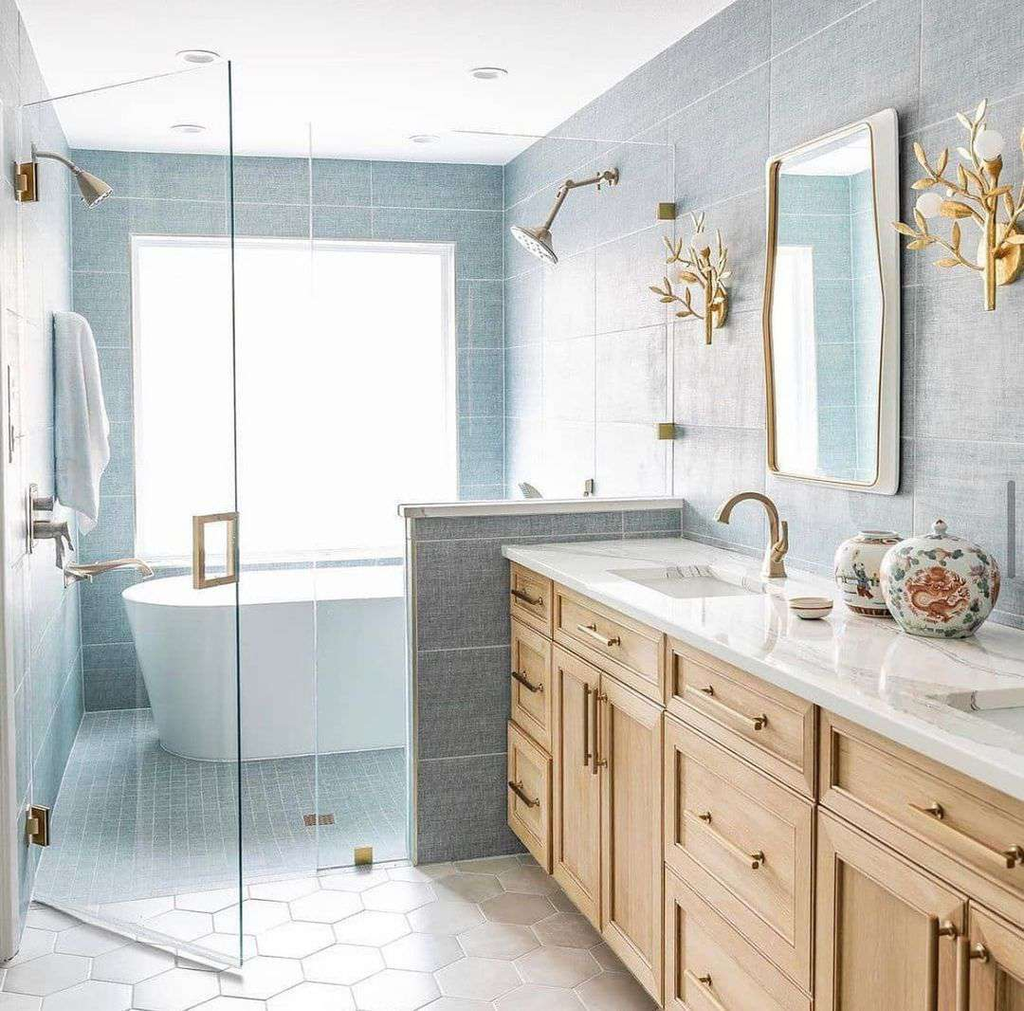
Selecting the correct shower or bathtub enclosure dictates both the functional workflow and the visual balance of your entire bathroom. Choosing the ideal style requires balancing your spatial footprint, cleaning maintenance habits, and personal design preferences against the architectural limits of your plumbing layout. Whether you are upgrading a compact guest bath or constructing a master en-suite retreat, understanding the structural and aesthetic differences between frameless glass, semi-frameless systems, sliding doors, and traditional shower-tub combos ensures your investment stands the test of time. Upgrading to modern shower and bathtub enclosures can instantly transform your bathroom’s design while preventing water damage to surrounding walls and floors.
Frameless Glass Enclosures and Spatial Openness
Frameless glass enclosures represent the pinnacle of contemporary bathroom design, eliminating heavy metal frames in favor of thick, tempered safety glass held together by minimalist clips and hinges. This sleek construction removes visual barriers; allowing natural light to flood the shower stall and making small bathrooms appear significantly larger. Without metal tracks to trap standing water, soap scum, and mildew, cleaning becomes a straightforward squeegee routine. However, frameless systems require professional structural assessment because heavy glass panels demand reinforced wall studs and precise floor leveling to prevent door sagging and water leaks.
Semi-Frameless Systems for Balance and Budget
Semi-frameless enclosures offer a practical middle ground, featuring a minimalist metal frame around the outer perimeter while keeping the door unencumbered by heavy metal borders. This hybrid approach delivers the clean look of a frameless glass door paired with the structural stability and water-tight containment of traditional framed units. Homeowners looking to upgrade a mid-range bathroom find that semi-frameless options provide excellent longevity at a lower installation cost than fully custom frameless glass setups. The slim framing provides extra rigidity, making them exceptionally reliable in high-traffic family bathrooms used daily by children.
Door Configurations and Functional Square Footage
Layout geometry dictates whether your bathroom requires a sliding door or a traditional swinging pivot door. Sliding glass doors operate on a track mechanism parallel to the bathtub or shower threshold, making them the ultimate choice for narrow bathrooms where outward-swinging doors would collide with vanities or toilets. Pivot and hinged doors swing outward into the room, creating a wide, unobstructed entry point that feels luxurious and provides effortless access for cleaning. Selecting the right door configuration prevents traffic bottlenecks and ensures your bathroom remains comfortable and ergonomic during every day routines.
Bathtub-Shower Combinations for Maximum Utility
Combining a deep soaking tub with an overhead glass shower screen or sliding enclosure provides maximum versatility for multi-generational households and family homes. Traditional shower curtains often cling to wet skin and leak water onto bathroom floors, whereas glass bath screens or sleek bypass sliding doors upgrade the functionality of a standard tub setup instantly. This configuration accommodates both quick morning showers and relaxing evening baths without requiring a massive architectural footprint or a complete bathroom layout reconfiguration. Choosing durable acrylic or cast iron tubs paired with shatter-resistant glass guarantees decades of reliable daily use.
Hardware Finishes and Long-Term Maintenance
Hardware selection ties your entire bathroom aesthetic together while dictating long-term maintenance requirements. Solid brass, brushed nickel, matte black, and polished chrome finishes each offer distinct visual weight and resistance to hard water corrosion. Matte black and polished finishes show water spots more readily than brushed textures, requiring regular wiping to maintain their pristine finish. Prioritizing high-grade stainless steel or plated brass components prevents rust stains from bleeding onto your newly installed tile work.
Conclusion
Transforming your bathroom begins with choosing an enclosure that marries structural durability with seamless aesthetic flow. Evaluating your spatial dimensions, cleaning preferences and household routines allows you to narrow down the ideal configuration, whether you opt for minimalist frameless glass or a versatile tub-shower combination. Investing in quality materials, professional installation, and proper hardware maintenance guarantees that your new bathroom enclosure delivers enduring beauty and flawless daily performance for years to come.