
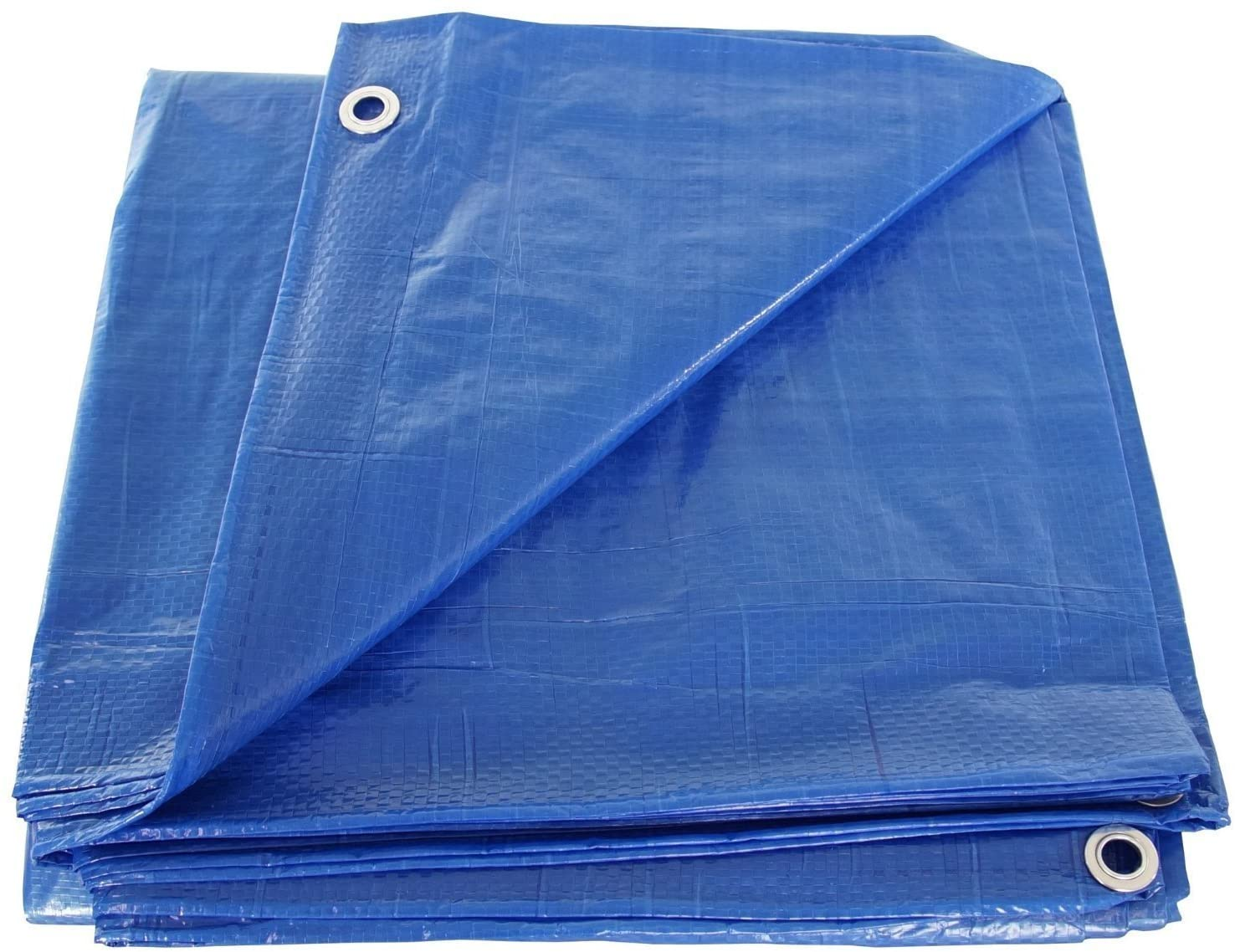
Selecting the correct custom heavy-duty tarp protects your high-value equipment, materials, and structures from catastrophic weather damage and costly site downtime. Off-the-shelf blue tarps degrade quickly under intense ultraviolet light, rip under high wind shear, and leak during sustained downpours. Ordering a custom-engineered tarp ensures an exact physical fit while matching material weights, coatings, and reinforcement points directly to your environmental demands. Investing in a tailored protective cover eliminates loose, flapping fabric, prevents water pooling, and provides reliable, long-term site protection.
Evaluating Material Types for Specific Environmental Demands
Choosing the right base fabric is the most critical decision when configuring a custom heavy-duty tarp. Heavy-duty vinyl (PVC) offers unmatched strength, complete waterproofing, and exceptional resistance to oils, chemicals, and abrasion. Vinyl tarps excel in harsh industrial settings, trucking covers, and long-term outdoor equipment storage where maximum tear strength is mandatory.
Heavy-duty canvas provides breathable protection that allows trapped moisture and heat to escape through the weave. Canvas tarps prevent condensation from forming on metal equipment, engines, and lumber, stopping rust and wood rot before it starts. Polyethylene (poly) tarps offer a lightweight, cost-effective waterproof barrier ideal for short-to-medium-term construction covers, agricultural containment, and general site protection.
Sizing Precision and Sizing Adjustments
Ordering a custom tarp requires measuring the exact dimensions of the object or surface area you need to cover. Standard prefabricated tarps list "cut sizes," which are up to three to five percent smaller than advertised once hems and seams are folded and sewn. Custom fabrication eliminates this discrepancy by delivering exact finished dimensions that fit your specific footprint without excess material or exposed edges.
Calculating proper overlap and drape ensures full coverage across irregular shapes, machinery frames, and cargo beds. In order to accommodate for structural curves, fastening points, and unforeseen load heights, an additional six to twelve inches of length and width are added. A snug, tailored fit prevents wind from catching loose fabric edges, which is the primary cause of grommet tear-outs and material shredding.
Essential Reinforcements and Hardware Specifications
Reinforcement features determine how well your custom tarp handles heavy tension, wind loads, and repeated handling. High-stress points along perimeter hems and interior corners require double-stitched or heat-welded webbing to distribute pull force evenly across the fabric. Adding heavy-duty triangular corner patches prevents tearing at the points that experience the highest stress during tie-down.
Selecting the right grommets and tie-down hardware ensures your tarp stays locked in place during severe storms. Solid brass or stainless steel grommets offer superior corrosion resistance compared to aluminum alternatives, especially in coastal or industrial environments. Spacing grommets every twelve to eighteen inches along the hem provides multiple anchor points that distribute tension evenly and keep the cover taut.
Temperature and Chemical Tolerance Considerations
Matching your custom tarp to the thermal and chemical realities of your job site prevents material breakdown. Standard plastics become brittle and crack in sub-zero winter temperatures, while unrated fabrics melt or degrade when exposed to hot engine components or industrial solvents.
Specifying cold-crack ratings ensures your vinyl or poly tarp remains flexible and easy to handle in freezing climates. For welding enclosures, hot asphalt transport, or foundry applications, choosing fire-retardant fabrics certified to industry safety standards prevents heat damage and fire hazards. Factoring in chemical exposure, oil contact, and temperature extremes during the design phase ensures your custom investment delivers years of dependable service.
Conclusion
Selecting the right custom heavy duty tarps requires aligning material selection, exact sizing, and heavy-duty hardware with your specific job site challenges. Investing in tailored protection prevents water damage, secures valuable machinery, and eliminates the continuous cost of replacing cheap covers. Taking time to measure accurately, specify reinforced hems, and select the proper base fabric guarantees your assets remain fully protected against harsh weather and tough job site conditions. A well-designed custom tarp delivers unbeatable reliability, peace of mind, and maximum value for your project investment.